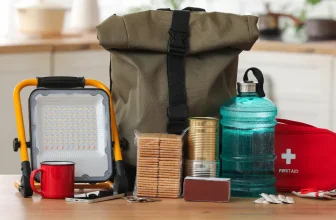
When it comes to disaster readiness at home, having a solid plan can make all the difference. You need to gather essential supplies and create effective communication strategies with your family. It’s not just about being prepared; it’s about knowing what to do when the unexpected happens. Are your emergency supplies up to date? What about your evacuation routes? Let’s explore how you can ensure your safety and readiness.
Emergency Supplies
When disaster strikes, having the right emergency supplies can make all the difference. You should start by assembling a well-stocked emergency kit.
Include essentials like water, enough for at least three days, and non-perishable food. Don’t forget a flashlight, extra batteries, and a first-aid kit. Personal hygiene items, like soap and hand sanitizer, are crucial too.
Keep a multi-tool and a whistle handy for signaling help if needed. Make sure you have important documents, like identification and insurance papers, stored in a waterproof container.
It’s wise to pack blankets or sleeping bags to stay warm. Lastly, consider including a battery-powered or hand-crank radio to stay informed. Being prepared can give you peace of mind during uncertain times.
Communication Strategies
Effective communication becomes crucial during a disaster, as it can help you stay informed and connected with loved ones.
Start by establishing a family communication plan. Choose a designated meeting spot and ensure everyone knows how to reach it. Use multiple communication methods—text, calls, and social media—to share updates, as phone lines may be down.
Keep a battery-operated or solar-powered radio to receive emergency broadcasts. Designate an out-of-town contact for family members to check in with, ensuring everyone can relay their status.
Don’t forget to charge your devices and keep a portable charger handy. Regularly review your plans and adjust them as needed.
Safety Measures and Evacuation Plans
While you can’t predict when a disaster might strike, having solid safety measures and a clear evacuation plan can make all the difference. Start by identifying safe spots in your home, like sturdy furniture or away from windows, to protect yourself during events like earthquakes.
Next, create an evacuation route that everyone knows, ensuring it leads to a safe meeting place outside. Practice this plan regularly so everyone feels confident.
Keep emergency supplies, including water, food, and first aid kits, in an accessible location. Lastly, be aware of local emergency services and shelters; know where to go if you need outside help.
Conclusion
Being prepared for disasters at home is essential for your safety and peace of mind. By assembling an emergency kit, establishing a communication plan, and practicing evacuation routes, you’ll ensure your family is ready when it matters most. Regularly updating your supplies and staying informed about local risks keeps you one step ahead. Don’t forget to protect your important documents, too. With these steps, you can face emergencies with confidence and resilience. Stay safe and be prepared!
Trending Products