Emergency preparedness is essential for everyone, especially if you’re just starting out. You need to assess the unique risks in your area and understand your family’s specific needs. With a solid plan and a well-stocked emergency kit, you can ensure your household is ready for unexpected events. But where do you begin? Let’s break it down step by step to help you take charge of your safety.
Assessing Your Risks and Needs
When you start preparing for emergencies, assessing your risks and needs is crucial.
Begin by identifying potential hazards in your area, like earthquakes, floods, or severe storms. Consider your specific situation: Do you live in a high-risk zone? Are there vulnerable individuals in your household, like children or elderly family members?
Next, evaluate your resources. What supplies do you already have, and what do you need? Think about food, water, medical supplies, and communication tools.
Also, don’t forget to assess your skills. Are you trained in first aid or CPR? Knowing your strengths and weaknesses will help you prioritize what to learn or acquire.
This assessment lays a solid foundation for your emergency preparedness plan.
Creating Your Emergency Plan
Creating an emergency plan is essential for ensuring your safety and that of your loved ones. Start by identifying safe meeting places, both near your home and outside your neighborhood. Make sure everyone knows how to get there.
Next, discuss communication methods. In case of separation, agree on a reliable contact person outside your area whom everyone can call.
It’s also crucial to outline specific roles for each family member during an emergency. Designate who’ll grab important documents, care for pets, or assist younger siblings.
Practice your plan regularly, so everyone feels comfortable and knows what to do. Review and update your plan as needed, especially when circumstances change, like moving or adding family members.
Being prepared makes all the difference.
Building Your Emergency Kit
An emergency kit is your lifeline in a crisis, providing essential supplies to help you and your family survive for at least 72 hours.
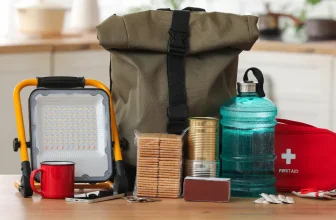
Start by choosing a durable, waterproof container like a backpack or plastic bin. Include water—one gallon per person per day—and non-perishable food items such as granola bars or canned goods. Don’t forget a manual can opener!
Add a first-aid kit, flashlight, extra batteries, and a whistle for signaling. Include personal items like medications, identification, and important documents.
You might also want to pack hygiene supplies, blankets, and a multi-tool.
Regularly check and update your kit, replacing expired items. By preparing now, you’re ensuring your family’s safety and peace of mind during emergencies.
Conclusion
In conclusion, taking the time to assess your risks, create a solid emergency plan, and build a well-stocked kit can make all the difference when disaster strikes. Stay proactive by practicing your plan and updating your supplies regularly. Remember, preparedness isn’t just a one-time task; it’s an ongoing process that keeps you and your loved ones safe. By fostering a culture of preparedness at home, you’ll ensure you’re ready to face whatever challenges may come your way.
Trending Products